

Mashgrowth

Guides

Social Media Marketing
Digital Marketing Strategies, Guides, Services

How to Create a Successful Social Media Marketing Strategy for E-Commerce Store

Social media marketing can drive huge growth for e-commerce businesses if approached strategically. Here’s a step-by-step guide to creating a successful strategy: 1. Set Clear Goals Define your objectives—whether it’s increasing brand awareness, generating leads, or boosting sales. Use SMART goals (Specific, Measurable, Achievable, Relevant, Time-bound) to track success. 2. Identify Your Target Audience Know your ideal customer inside and out. Use social media analytics tools to analyze the demographics, preferences, and behaviors of your audience. Key Questions: Who are they (age, location, interests)? What platforms do they use most (Facebook, Instagram, TikTok, etc.)? This helps tailor your content to resonate with the right people. 3. Choose the Right Platforms Not all social platforms will suit your brand. Research where your audience spends the most time and where your competitors have found success. Popular E-commerce Platforms: Instagram for visually-driven product marketing. Facebook for targeted ads and building community. Pinterest for niche products and inspirational content. TikTok for viral product trends, especially if you cater to Gen Z. 4. Create Engaging Social Media Content Content is king, but the type of content matters. Use a mix of product posts, behind-the-scenes content, user-generated content, and promotional offers. Tips for Great Content: Use high-quality visuals—images and videos perform best. Incorporate social proof (testimonials, reviews). Post interactive content like polls, quizzes, and live videos to engage followers. Pro Tip: Use tools like Canva to design eye-catching graphics, and tools like Later or Buffer for scheduling. 5. Leverage Influencer Social Media Marketing Partner with influencers relevant to your niche. Micro-influencers (1k-10k followers) often deliver better engagement rates at a lower cost than mega-influencers. Steps: Identify influencers your audience trusts. Collaborate on authentic campaigns—unboxings, product demos, and giveaways can yield great results. 6. Run Paid Social Media Ads Social media ads can rapidly drive traffic and conversions for e-commerce stores. Platforms like Facebook, Instagram, and Pinterest offer highly-targeted ad options. Effective Ad Strategies: Retargeting ads to users who have visited your site but didn’t complete a purchase. Lookalike audiences to reach potential customers similar to your existing customers. Make sure to A/B test your ads and adjust targeting for best results. 7. Monitor and Adjust Your Social Media Strategy Track key metrics like engagement, reach, conversions, and sales. Tools like Google Analytics and platform-specific insights (Facebook Insights, Instagram Analytics) help you measure success. Metrics to Track: Engagement Rate (likes, shares, comments) Conversion Rate (sales from social media traffic) Customer Acquisition Cost (how much it costs to get a new customer via social) Regularly review your performance and tweak your strategy to improve results over time. Conclusion A successful social media marketing strategy for your e-commerce store is not a one-size-fits-all process. It’s about understanding your audience, providing value through engaging content, leveraging the right tools, and continuously monitoring your performance to adjust as needed. With time, persistence, and creativity, your e-commerce store can thrive on social media.
Website Design and Development Company
Guides

The Ultimate Guide to Choosing the Right Website Design and Development Company

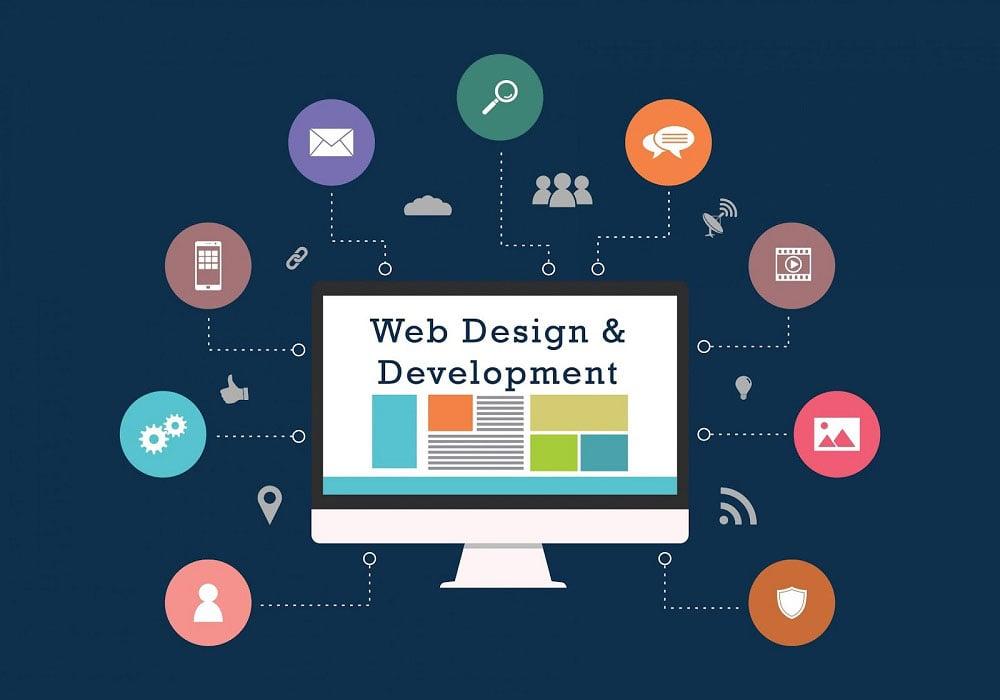
Introduction In today’s digital-first world, your website serves as the online face of your business. Whether you’re a startup looking to establish an online presence or an established company aiming to upgrade your digital footprint, choosing the right website design and development company is crucial. However, with so many options available, how do you ensure you’re making the right choice? This guide will walk you through the key factors to consider when selecting a web development partner. Why a Professional Website is Essential for Business Success A well-designed website is more than just a digital storefront; in fact, it’s a powerful marketing tool that can help you reach a broader audience, generate leads, and drive sales. Here’s why investing in professional website design and development is not only essential but critical for your business: First Impressions Matter: A visually appealing website captures attention and sets the tone for your brand. User Experience (UX): A user-friendly website ensures visitors can easily navigate and find the information they need, leading to higher engagement and conversions. Search Engine Optimization (SEO): A website built with SEO in mind ranks higher on search engines, making it easier for potential customers to find you. Mobile Responsiveness: With more users browsing on mobile devices, having a responsive design ensures a seamless experience across all platforms. Key Factors to Consider When Choosing a Website Design and Development Company Selecting the right partner for your web project requires careful consideration. Here are the essential factors to keep in mind: Portfolio and Experience Review the company’s portfolio to assess their experience and design style. Look for projects similar to yours to ensure they can meet your needs. Check client testimonials and case studies to gauge their reputation and the results they’ve delivered for other businesses. Understanding of Your Business Needs A good web development company will take the time to understand your business goals and target audience. They should be able to tailor their services to align with your specific needs. Communication is key. Choose a company that listens to your ideas and provides clear, actionable feedback. Technical Expertise Ensure the company is proficient in the latest web technologies and platforms. Whether you need a WordPress site, an e-commerce platform, or a custom-built solution, they should have the necessary skills. Ask about their approach to security, scalability, and future-proofing your website. SEO and Marketing Integration A well-designed website is just the first step; moreover, it also needs to be optimized for search engines. Therefore, ask if the company offers SEO services as part of their package or if they can collaborate with your SEO team. Additionally, look for a company that understands the importance of integrating marketing tools and analytics into your website, as this can significantly enhance your overall digital strategy. Support and Maintenance Post-launch support is crucial for ensuring your website remains up-to-date and secure. Inquire about their maintenance services and how they handle updates, backups, and troubleshooting. Benefits of Working with a Professional Website Design and Development Company Partnering with a professional web development company offers several advantages: Customization: Get a website tailored to your brand’s unique needs. Time Efficiency: Save time with a streamlined process that gets your site up and running quickly. Expertise: Leverage the experience and knowledge of industry experts to create a website that drives results. Ongoing Support: Enjoy peace of mind knowing you have a team to assist with any issues or updates. Conclusion: Choosing the right website design and development company can make all the difference in your online success. At Ktechnology Pro, we specialize in creating custom websites that not only look great but also perform exceptionally well. Moreover, our team of experts is here to help you every step of the way, from initial consultation to ongoing support. So, contact us today to learn how we can help you build a website that truly elevates your business.

Scroll to Top